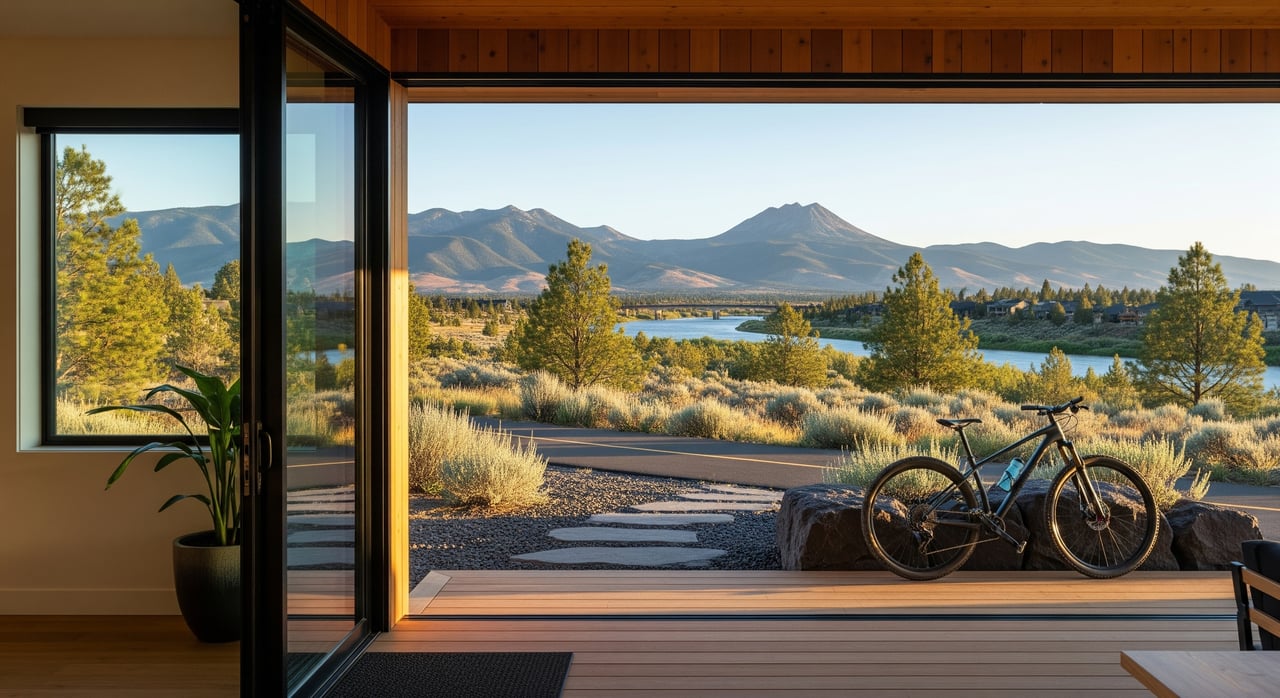
Craving a home where you can grab your bike, board, or paddle and be out the door in minutes? If quick access to trails, the Deschutes River, and Mt. Bachelor is your priority, Bend makes it easy to live the lifestyle you want. You just need to know which areas fit your routines, what tradeoffs to expect, and the home features that make outdoor life simpler. This guide maps Bend neighborhoods to outdoor activities and shares practical tips to help you choose with confidence. Let’s dive in.
How Bend’s layout affects access
Bend sits on the eastern edge of the Cascades with the Deschutes River running through town. Your access plays out across three zones: in-town paths and parks, foothill and forest-edge trail systems, and the backcountry and ski area. Picking a neighborhood is about balancing these layers with your daily patterns.
In-town paths and riverfront parks are often walkable or a short bike ride. Westside trailheads and forest-edge systems are typically a 5 to 25 minute drive from central Bend. Mt. Bachelor is usually about 30 to 45 minutes from many Bend neighborhoods in good conditions, though winter weather and parking can add time.
Mountain biking: quick trail access
If after-work rides and weekend singletrack are the goal, these areas keep you close to trailheads and connectors.
Northwest Bend and Shevlin Park corridor
You’re close to large municipal parks and popular trailheads, with options for both beginner and advanced riders. The proximity to the forest edge shortens your drive to many networks. Expect a mix of newer homes and established pockets, and be mindful of HOA rules where they apply.
Awbrey Butte and Broken Top Views
Elevated lots offer immediate access to urban trails and fast exits toward forest singletrack. You’ll trade some yard space in certain pockets for quicker access and views. Routes to downtown and services are straightforward, which helps if you want both convenience and trail time.
Northwest Crossing and Juniper Ridge
These planned neighborhoods lean into an active lifestyle, with connector trails and quick reach to popular networks. Walkable local shops and parks add day-to-day convenience. You may see smaller lots but strong community amenities.
Tumalo and west-of-town areas
Living just west or northwest of Bend reduces your drive to extensive trail systems. You’ll likely gain garage and parking space for gear. Commutes into Bend can be longer, so weigh weekday routines against easy trail access.
River life: best neighborhood access
If you prioritize paddling, floating, or a daily walk along the water, consider these river-adjacent areas.
Downtown, Drake Park, and Bend Central District
These central areas offer direct riverfront access and easy walking to put-ins, parks, and the Old Mill District. The lifestyle is highly walkable with quick access to restaurants and shops. Riverfront homes can face higher competition and pricing, and some parcels may be within mapped floodplains or have riparian setbacks.
Old Mill District and Riverfront West
Converted riverfront zones put you right on the river trail with straightforward access to summer float routes. Expect seasonal crowding near popular put-ins. Housing here can include condos and townhomes with HOA considerations and limited gear storage.
River West and neighborhoods west of the river
These areas offer quieter parks and access points while still close to downtown. You’ll find a balance of in-town convenience and river proximity. Street parking can be tight on peak summer days near access points, so plan gear loading accordingly.
South of Bend and Sunriver
Multi-use paved trails and calmer stretches of the Deschutes make this corridor a favorite for family-friendly paddling and casual rides. You’ll be farther from Bend’s core amenities if you’re in Sunriver, but many buyers accept that for the river and trail network. Check commute times to Bend if you plan frequent trips for work or school.
Skiing: shorter trips to Mt. Bachelor
If first chair is your priority, shaving minutes off the drive matters.
Southwest and west Bend
Neighborhoods on Bend’s west side offer shorter rural or foothill routes toward the mountain. You’ll still be within a quick drive of in-town services. Winter road conditions vary by neighborhood, so confirm snow removal and plowing details during due diligence.
Sunriver and La Pine
These communities often appeal to buyers who want a dedicated ski base. Drives to Bend are longer, but the mountain trip can feel easier. If you split time between Bend and the slopes, plan out your weekly routine and check seasonal road patterns.
Central Bend
From many central neighborhoods, expect roughly 30 to 45 minutes to the resort in good conditions. It’s a solid middle ground if you want balanced access to both downtown and winter recreation. Build in extra time on holiday weekends when resort parking fills quickly.
Balanced access and amenities
Some neighborhoods deliver walkable amenities along with reasonable outdoor access.
Northwest Crossing
You get parks, trails, local shops, and moderate drives to both downtown and trailheads. The package appeals to buyers seeking a daily lifestyle with easy outdoor breaks. Homes here can command a premium for the mix of convenience and access.
Northeast and Southeast Bend
These areas often provide shorter in-town commutes and good everyday convenience while keeping trailheads within reach by car. You’ll find a range of home styles and yard sizes. It is a practical option if you want quick city access and weekend trail time.
Awbrey Butte and Drake Park area
These in-town zones have high walkability and strong proximity to parks and the river, while still being a short drive from westside trailheads. Expect demand to reflect the views and central location. Parking and seasonal visitor traffic can influence your day-to-day routine near the river.
Home types and useful features
The right home setup makes outdoor life simpler and your gear last longer.
Property types to consider
- Riverfront condos or lofts: Excellent for walkability and immediate river access. Expect HOA rules and limited storage.
- Single-family homes on small lots: Close to restaurants and river trails with manageable maintenance. Garages may be smaller, so plan for efficient storage solutions.
- Suburban or new-build homes: Typically larger garages, workshops, and driveways for trailers or kayaks. You may be farther from central amenities.
- Vacation-style homes and cabins: Strong weekend access to skiing or the river. Accept longer commutes to Bend services.
Features that make a difference
- Generous garage space and interior storage for bikes, skis, and paddleboards.
- Mudroom or durable entry, plus ventilation for drying gear.
- Utility sink or hose hookup for quick cleanup, and exterior spigots.
- Off-street parking for vehicles with racks, trailers, or rooftop boxes.
- Secure bike storage and outlets for e-bike charging.
- Low-maintenance landscaping and defensible space mindful of wildfire seasons.
- Solid insulation and heating for winter comfort after ski days.
Neighborhood amenities that help
- Paved paths and bike lanes for safer rides to work or errands.
- Trailheads with parking nearby, especially if you plan frequent evening rides.
- Local bike, ski, and paddle shops for quick tune-ups and rentals.
- Laundry and boot-drying services to simplify winter routines.
Logistics to plan for each season
A little planning keeps your adventures smooth year-round.
- Travel times: In-town trips often run 5 to 15 minutes. Many westside trailheads are 5 to 25 minutes from central Bend. Mt. Bachelor runs about 30 to 45 minutes in good conditions from many neighborhoods.
- Parking and congestion: Trailheads and river put-ins fill on weekends and holidays. Expect resort lots to fill on major winter days and build in time for shuttles or carpools.
- Winter driving: Use appropriate tires and carry chains for mountain roads. Ask about snow removal standards by neighborhood if you rely on early departures.
- Spring runoff and river safety: Flows change quickly and water is cold. Always plan for safety when paddling or floating.
- Wildfire and smoke: Air quality and temporary closures can vary in summer. Homes with defensible space and fire-aware landscaping help manage risk.
- Floodplain considerations: Some riverfront parcels sit in mapped floodplains. Review county resources, consider flood insurance, and evaluate elevation data during due diligence.
Rules, safety, and stewardship
Bend’s trail and river systems operate under rules that keep everyone safe and protect natural areas.
- River and riparian zones can have environmental protections and setbacks. Rules differ by city and county.
- Trail systems span multiple land managers. Dog, bike, and motorized-use rules vary by trail.
- Non-motorized craft are common on the Deschutes. Launch, camping, and access rules change by segment.
- Backcountry travel in winter requires avalanche awareness and adherence to local safety guidance.
- Local resources for current conditions and guidance include trail organizations, park districts, the national forest, county planning, and resort operations.
How to pick your best-fit area
Use this simple process to align your neighborhood with your routines.
- Clarify your weekly patterns
- If you ride after work, prioritize areas within 5 to 15 minutes of your preferred trailheads.
- If you ski most weekends, decide how much weekday driving you will trade for a shorter mountain commute.
- Visit at activity times
- Tour neighborhoods early mornings or evenings for ride timing, and on summer weekends near the river to see parking and crowd patterns.
- Drive to Mt. Bachelor at your typical departure time to gauge real travel times.
- Audit gear storage in listings
- Look for garage size, ceiling height for bike lifts, outlets for e-bikes, and a mudroom or durable entry.
- Confirm driveway space if you tow a trailer or carry boats.
- Confirm seasonal access
- Ask about snow removal, private road maintenance, and plowing services if you are considering rural parcels.
- For riverfront properties, review floodplain mapping and discuss insurance options.
- Use local resources
- Check current trail conditions, resort notices, and forest guidance for closures and seasonal rules.
- Talk to nearby outfitters for on-the-ground intel about routes and access.
Ready to tour homes?
If you are aiming for easy outdoor access in Bend, you have great options across price points and property types. Our team pairs local knowledge with a tailored, high-touch process to help you weigh tradeoffs and find the right fit for your lifestyle. When you are ready to explore neighborhoods, compare listings, and plan logistics, connect with The Agency Bend for a Premium Market Consultation.
FAQs
Which Bend neighborhoods are closest to mountain bike trails?
- Northwest Bend near Shevlin Park, Awbrey Butte, and planned areas like Northwest Crossing and Juniper Ridge offer quick access to singletrack and connector paths.
Where should I live in Bend for easy floating and paddling?
- Downtown, Drake Park, the Bend Central District, the Old Mill District, and River West provide convenient access to river trails and popular put-ins.
What areas shorten the drive to Mt. Bachelor in winter?
- West and southwest Bend reduce time to the mountain, while Sunriver and La Pine appeal to ski-focused buyers who accept longer drives back to Bend.
What home features matter most for outdoor gear storage?
- Look for a larger garage, secure bike storage, mudroom or durable entry, utility sink or hose hookups, and outlets for e-bike charging.
How crowded do Bend trailheads and river put-ins get?
- Expect busy parking on weekends and holidays; arrive early, carpool when possible, and build in extra time for popular access points.
Are riverfront homes in Bend in floodplains?
- Some parcels near the Deschutes River lie within mapped floodplains; review county resources during due diligence and consider flood insurance if applicable.