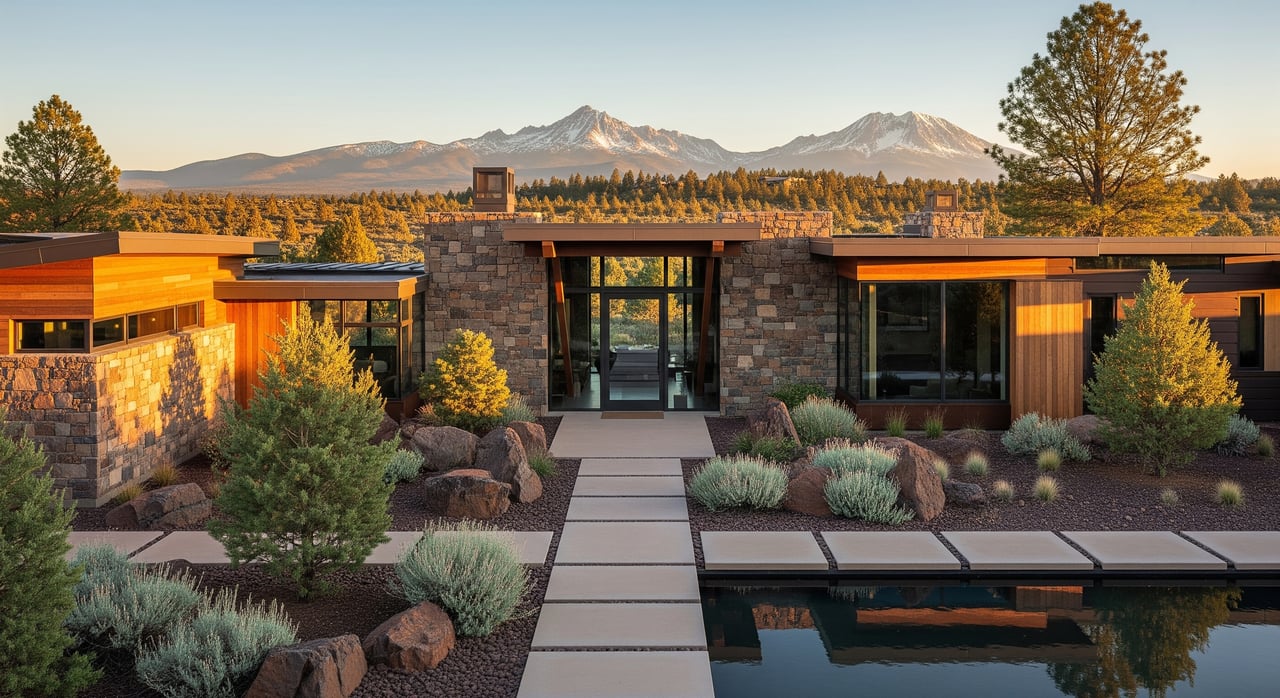
Is Redmond on your short list, but you are trying to understand what is pushing demand and prices? You are not alone. Many buyers and sellers are watching Redmond because it offers space, access to the outdoors, and relative value in Central Oregon. In this guide, you will learn the durable forces shaping Redmond’s housing market and how to use them to your advantage. Let’s dive in.
Why demand is rising in Redmond
Relative affordability and space
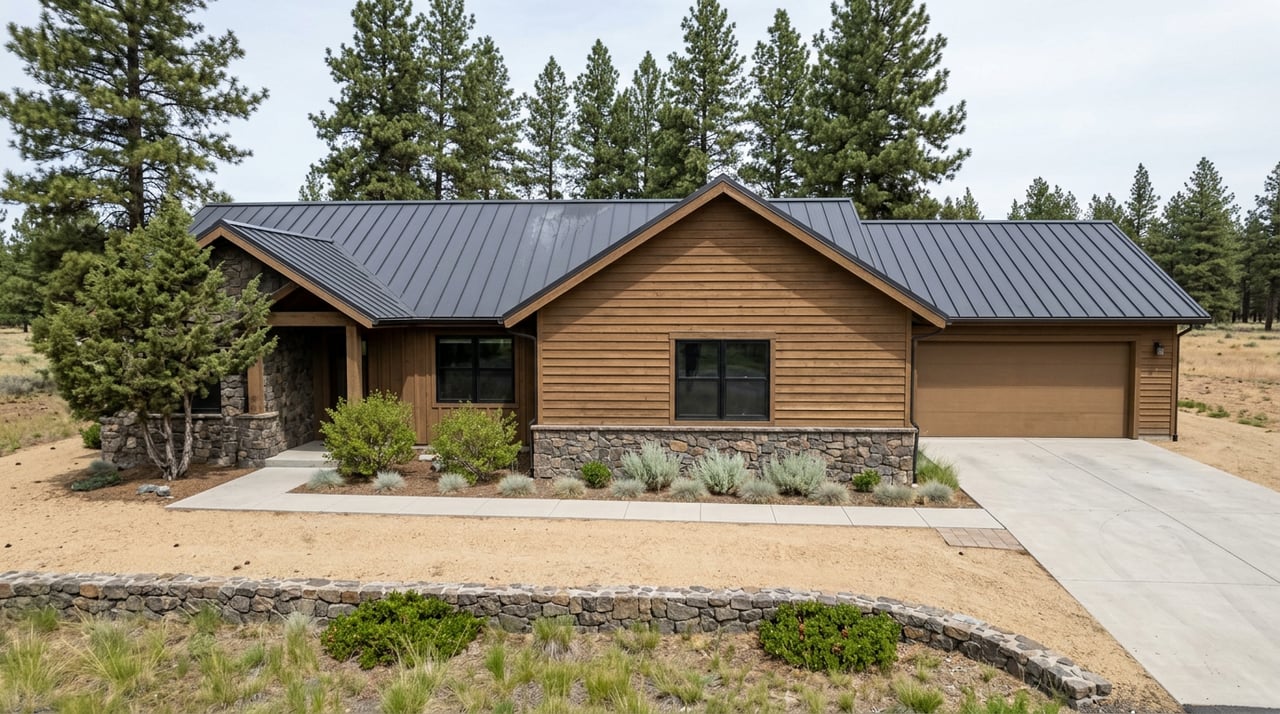
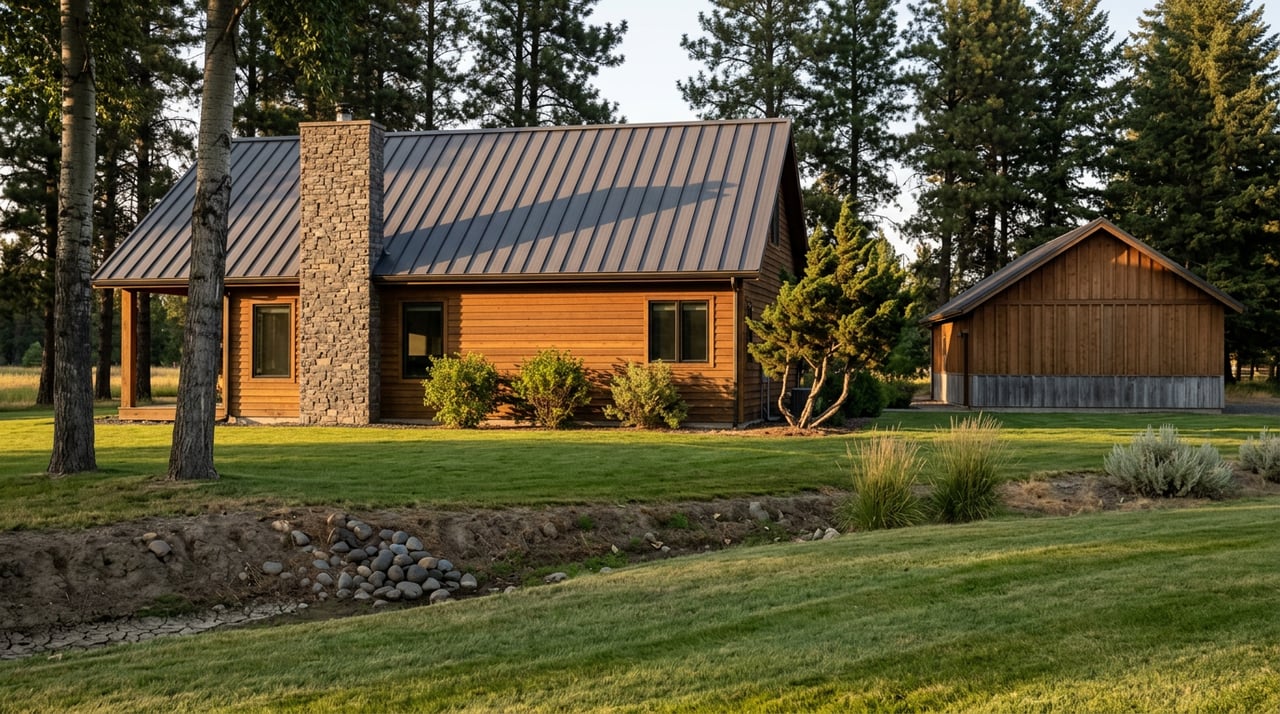
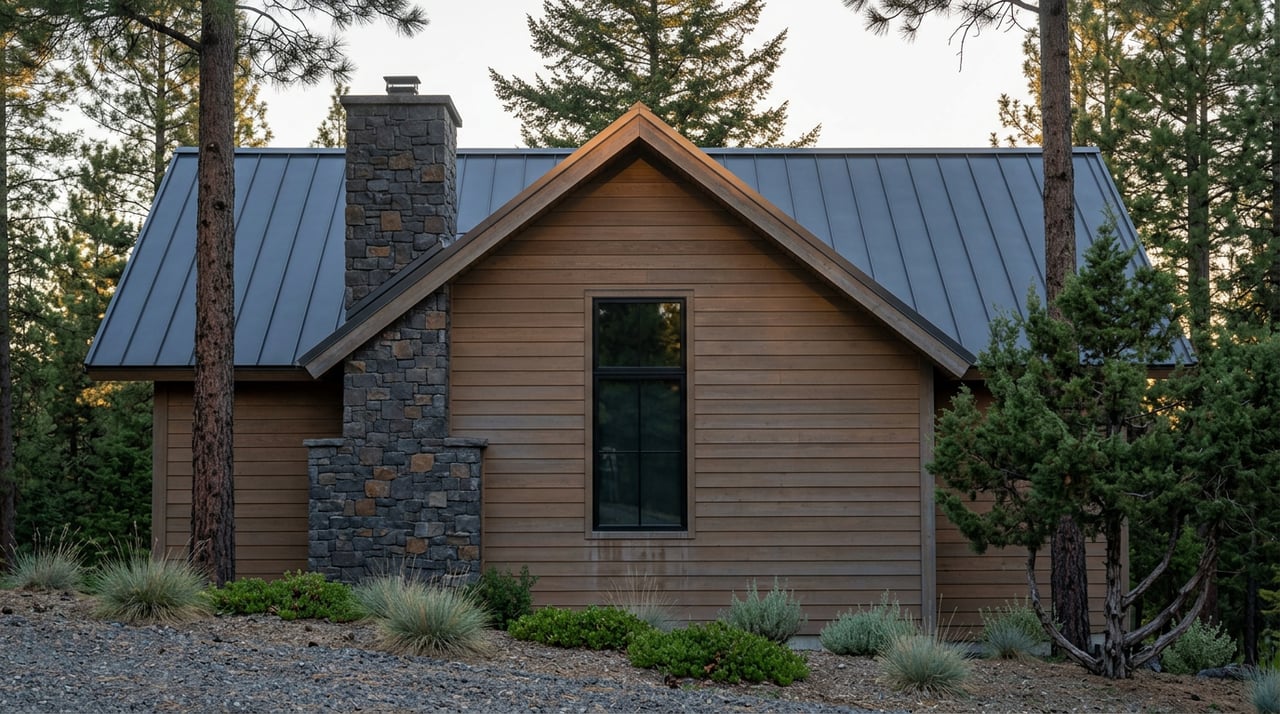
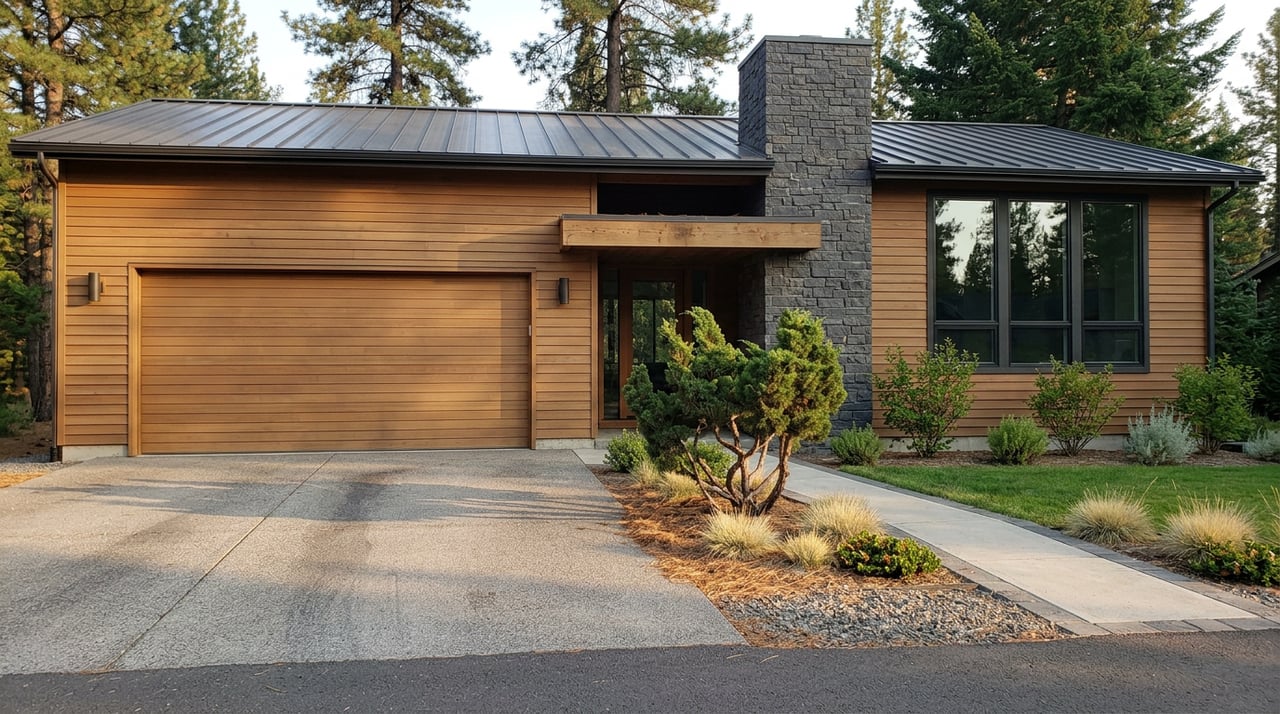
Redmond typically offers a lower cost of entry than nearby Bend. That price gap draws first-time buyers and move-up households who want more home and yard for the money. More available developable land compared to Bend has also supported new-home communities, which gives you additional options if you prefer new construction.
Lifestyle and access
If you value the Central Oregon lifestyle, Redmond delivers strong access. You are close to the Deschutes River, trail systems, and mountain recreation, with the convenience of Redmond Municipal Airport for easy travel. Local services continue to grow, so you can balance outdoor time with day-to-day convenience.
Who is moving in
In-migration has been a steady source of demand across Central Oregon. Buyers include retirees and downsizers, remote workers seeking space for a home office, and households relocating from larger Oregon metros and out of state. An aging local population also increases interest in single-level and low-maintenance homes.
Jobs and a steadier base
Redmond is not just a lifestyle play. Employment across healthcare, retail, manufacturing and industrial uses, plus airport and logistics, helps support year-round housing demand. This base diversifies the market beyond tourism and can help stabilize buyer interest through different parts of the cycle.
What is limiting supply
Land, UGB and permitting
Even with more developable land than Bend, the pace of new housing depends on annexation, infrastructure capacity, and permitting throughput. Urban growth boundary rules shape where the city can expand. These structural factors slow how quickly new lots and homes reach the market.
Construction and labor costs
Builder timelines and pricing are influenced by regional contractor capacity and materials costs. Labor availability, input price swings, and impact fees can affect how fast new communities open and what they cost. These pressures can keep new supply from fully catching up to demand.
Housing mix is shifting
Single-family homes still make up much of Redmond’s existing stock, but the mix is changing over time. Oregon’s “middle housing” legislation (HB 2001) broadens what can be built in many residential zones, enabling more duplexes, triplexes, fourplexes, townhomes, and small multifamily. Over the long term, this policy supports a wider range of choices for different budgets and life stages.
Redmond vs nearby markets
Redmond vs Bend
Bend tends to command an amenity premium with more luxury dynamics. Redmond’s comparative advantage is price and space, while keeping easy access to Bend’s dining, retail, and recreation. If you are cost conscious or want a newer single-family home at a lower price point, Redmond often fits better.
Redmond vs Prineville and Sisters
Prineville and Sisters are smaller and have different employment bases and housing stock profiles. Redmond generally offers more new-home options and a broader range of mid-price inventory. If you prioritize employment access, airport proximity, and a variety of neighborhoods, Redmond can provide more choice.
Seasonality and timing
Listing activity tends to peak in spring and summer. You will likely see more options, but you should also expect more competition then. If you want less competition, consider shopping in late fall or winter when there may be fewer active buyers.
What this means for buyers
Expect competition in entry bands
The most affordable price ranges are often the most competitive. If you want to act quickly when the right home appears, have financing ready and a clear search plan.
- Get a strong pre-approval and set a comfortable monthly budget.
- Define must-haves vs nice-to-haves, including yard size and home office needs.
- Watch both new construction and resale for the best fit.
New construction vs resale
New communities offer modern layouts, energy efficiency, and fewer immediate repairs, though timing and premiums can vary. Resale homes can come with established yards, character, or value-add potential.
- New builds: clarify build timelines, lot premiums, and upgrade packages.
- Resale: budget for inspections, potential updates, and negotiation windows.
- Ask about HOA rules, maintenance responsibilities, and rental policies.
Commute, connectivity and travel
If you work from home, check broadband options in your target neighborhood. If you travel often, factor in time to the airport. Plan your showing routes to understand access to parks, grocery, and medical services that matter to you.
Be offer-ready
In a desirable price band, strong offers matter. Consider a thoughtful earnest money amount, a clean inspection timeline, and clarity on contingencies. Your agent can tailor terms to the seller’s priorities while protecting your interests.
What this means for sellers
Price to local conditions
Buyers compare Redmond to Bend and nearby towns. Position your home to compete within Redmond’s current inventory, not just by square footage, but also by function and maintenance condition. Pricing that reflects the local market can help you capture early momentum.
Highlight functional value
Many buyers want usable space and stress-free living. Features that tend to resonate include a dedicated office or flex room, single-level living or accessible primary suites, low-maintenance landscaping, and energy efficiency. These can stand out more than purely cosmetic upgrades in mid-price ranges.
List at the right time
More buyers shop in spring and summer, but there is also more competition. If you plan an off-peak listing, you can still win with strong presentation, market-sensitive pricing, and flexible showing access.
Present and promote at a high level
Today’s buyers are visual and research-driven. Professional staging, photography, video, and crisp listing copy can expand your reach and improve perceived value. Team-based execution and consultative negotiation support smoother timelines and better outcomes.
Investor snapshot
Focus on durable demand
Workforce housing and well-located mid-price rentals often see steadier demand than luxury units. Watch the new-build pipeline, since future deliveries can influence rent growth and vacancy. If you are considering a short-term or furnished rental, review local rules and neighborhood policies before you buy.
Should you choose Redmond or Bend
Use a simple framework to make the call.
- Budget and value: Do you want more home and yard for the price, or are you paying a premium for a specific Bend location or amenity set?
- Home type and timeline: Are you open to new construction timelines, or do you prefer an established resale neighborhood?
- Daily life and access: How important are airport proximity, commute routes, parks, and local services to your routines?
- Long-term fit: Will the floor plan, lot size, and maintenance profile work for your next five to seven years?
The bottom line
Redmond’s housing demand rests on stable, long-term drivers: relative affordability, lifestyle access, in-migration, a diverse employment base, and gradual policy shifts that broaden housing types. Supply additions are coming, but infrastructure, permitting, and construction costs limit the pace. For buyers, this means being prepared and decisive. For sellers, it means presenting a functional, well-positioned home and pricing with precision.
If you want a clear plan tailored to your goals, request a Premium Market Consultation with The Agency Bend. Our team pairs local expertise with high-touch marketing and negotiation so you can move with confidence.
FAQs
Why are Redmond home prices different from Bend?
- Redmond typically offers more developable land and a lower amenity premium, while Bend captures higher-end demand; this creates a relative price gap and different buyer segments.
Is Redmond still relatively affordable in Central Oregon?
- Compared to Bend, Redmond often provides a lower cost of entry, especially for first-time buyers and move-up households, though competition can be strongest in the lowest price bands.
What types of homes are being built in Redmond now?
- You will find single-family subdivisions alongside more townhomes and other “middle housing” types over time, reflecting policy changes and diverse buyer needs.
How long will Redmond’s growth continue?
- Long-term drivers like in-migration, lifestyle access, and employment anchors support demand, while UGB rules, permitting, and construction capacity shape supply and pace.
When is the best time to list a Redmond home?
- Spring and summer bring more buyers and inventory, while off-peak seasons can favor well-presented homes with strong pricing and flexible access.
Should I buy new construction or a resale home in Redmond?
- Choose new construction for modern layouts and fewer immediate repairs if timelines and premiums fit your plan; choose resale for established neighborhoods and potential value-add opportunities.