Are you thinking about buying a Sunriver vacation home and wondering if the rental income can help justify the purchase? You are not alone. Many buyers are drawn to Sunriver for personal use, long-term enjoyment, and the possibility of offsetting costs with short-term rental revenue. The key is understanding that Sunriver is a true resort market, with strong seasonal demand, community rules, and operating costs that matter just as much as nightly rates. Let’s dive in.
Why Sunriver Stands Out
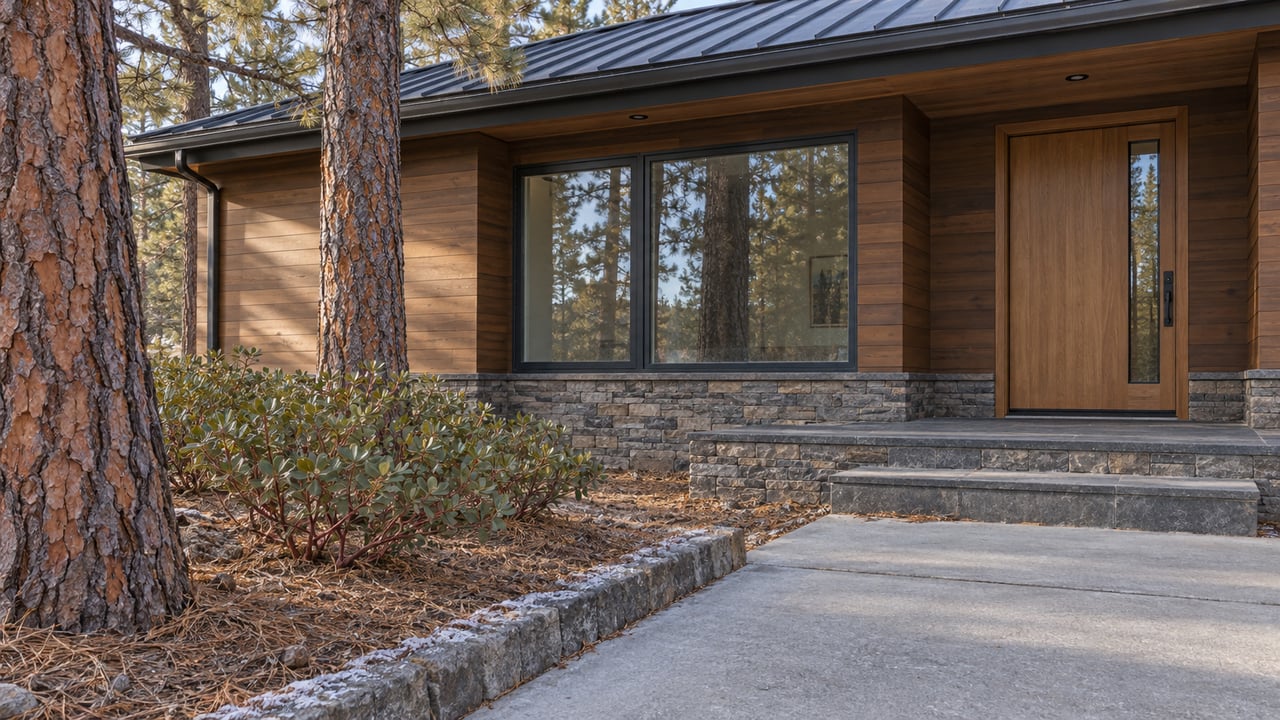
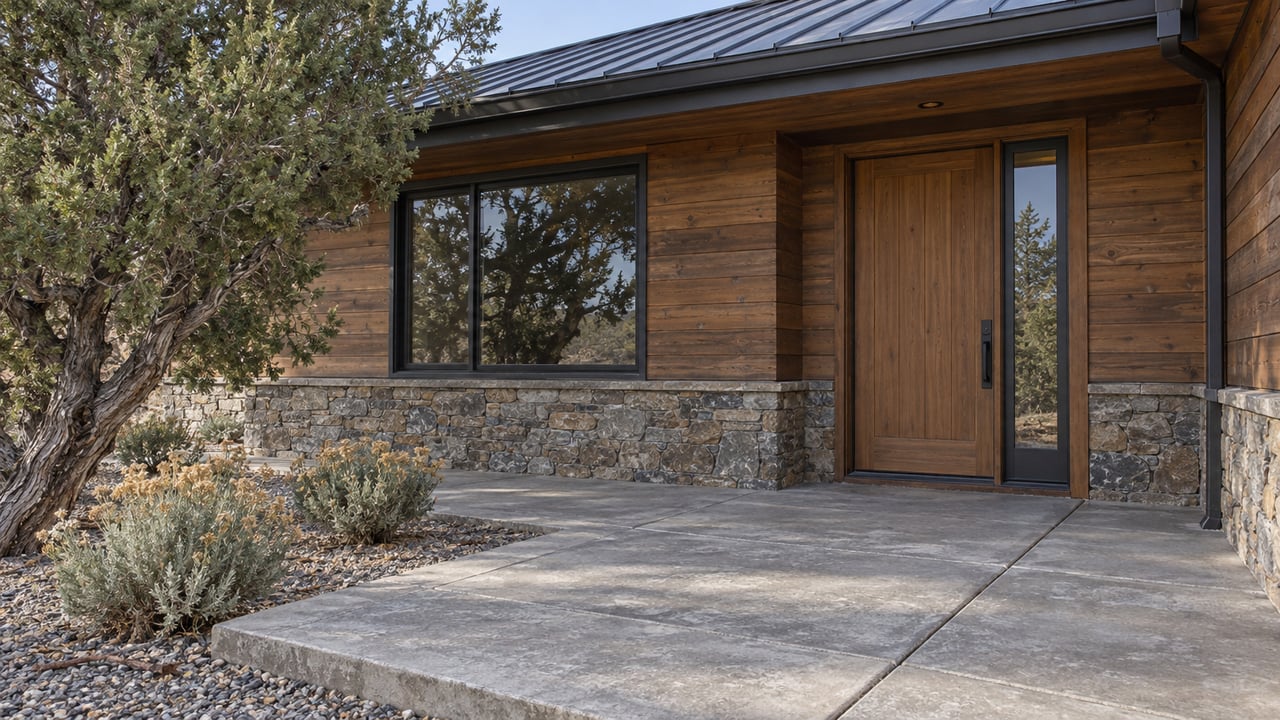
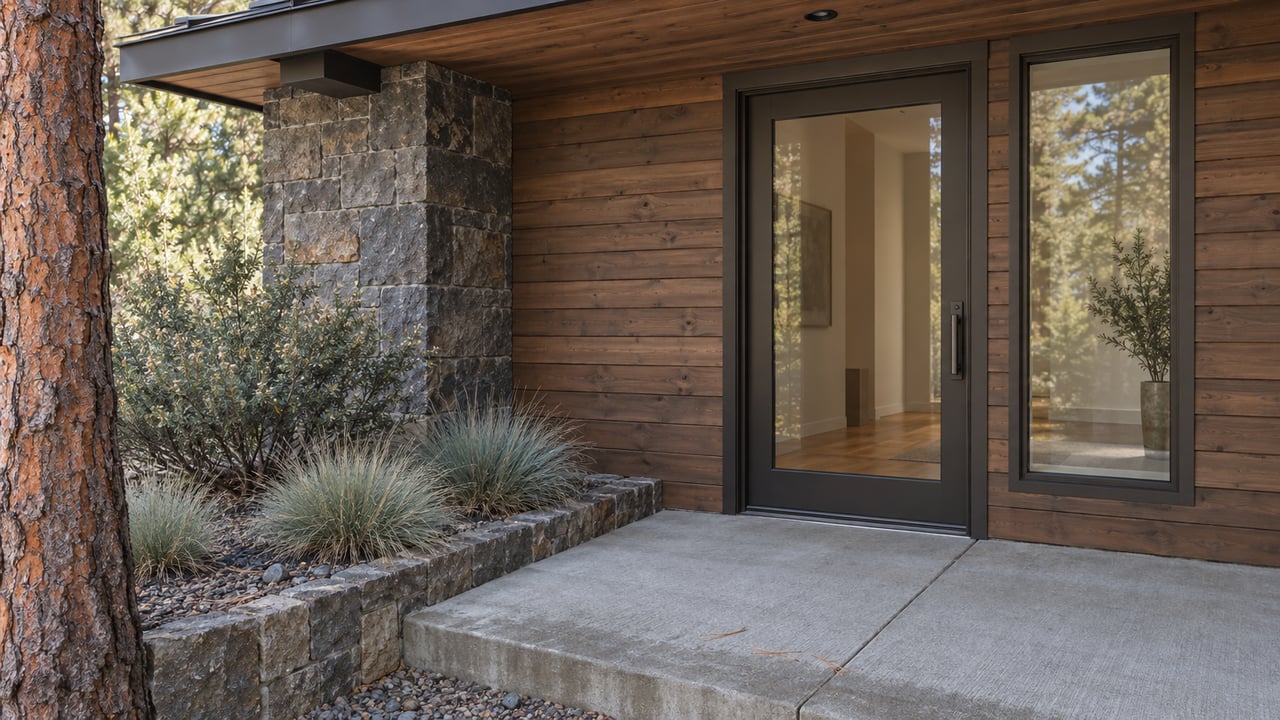
Sunriver is not just another neighborhood near Bend. It is a planned residential and resort community in Deschutes County with privately owned single-family homes and condominiums, plus separate resort-owned amenities such as golf courses, a marina, spa, and lodge complex. It also includes 34 miles of paved pathways, which helps support its year-round appeal.
That mix of residential ownership and resort activity is a big part of what makes Sunriver unique for second-home buyers and rental investors. You are buying into a place that is designed around recreation, visitor demand, and shared community standards, which can create both opportunity and responsibility.
Sunriver Housing Supply Is Tight
One of the most important facts for buyers is that Sunriver is nearly built out. According to the 2023 community inventory, Sunriver was described as 98% built out, with 3,140 finished single-family homes, 956 finished condos, only 7 homes under construction, 73 empty home lots, and 30 unbuilt condo units.
That limited future supply matters when you evaluate a purchase. In a market with little room for major expansion, performance often comes down to property type, condition, amenity access, management quality, and pricing strategy rather than a wave of new inventory entering the market.
Vacation Rental Demand In Sunriver
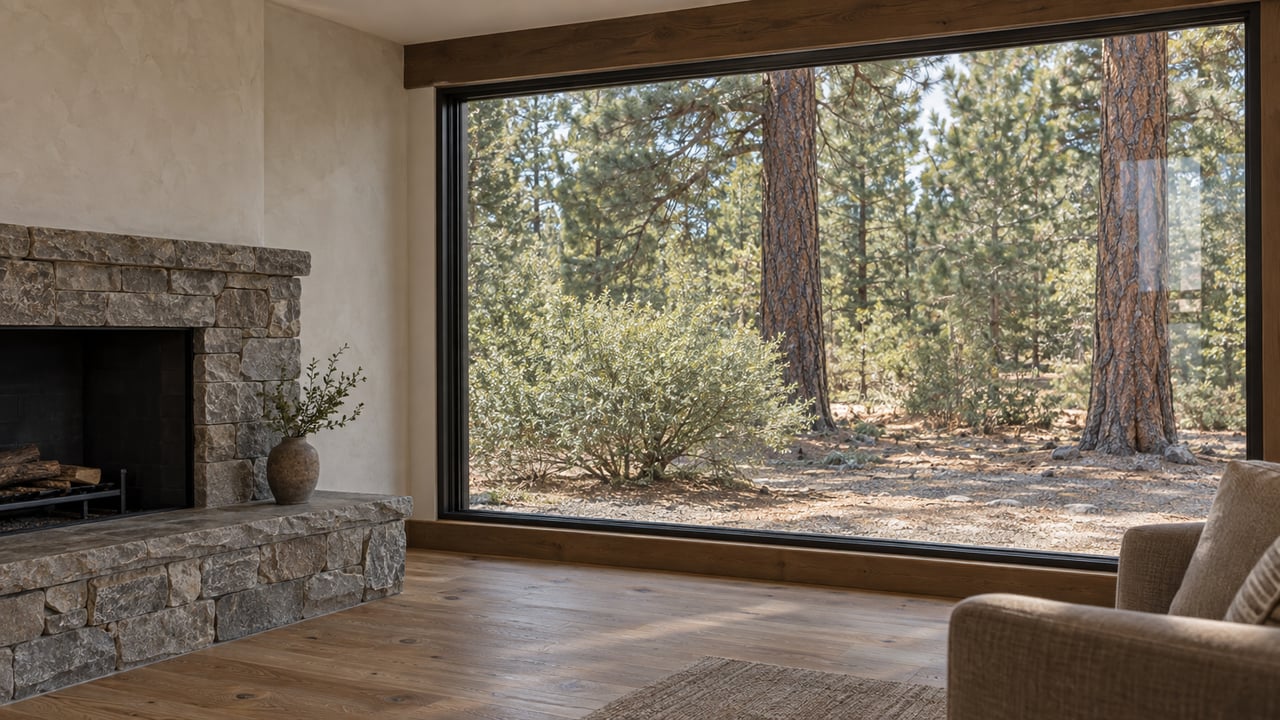
Sunriver benefits from a strong tourism base tied to outdoor recreation and resort amenities. Demand is supported by access to the Deschutes River, the Deschutes National Forest, golf, pools, trails, and nearby attractions, all within a short drive south of Bend.
Just as important, Sunriver operates as a four-season destination. That means you are not relying on one narrow travel window. Instead, the market tends to attract guests throughout the year, though not at the same occupancy level every month.
Peak Season Rates Can Be Strong
Recent lodging data shows how powerful summer pricing can be. In August 2025, Sunriver short-term rental occupancy reached 79.7%, with an average daily rate of $521 per night. In July 2025, Sunriver led the region in average daily rate at $567.
Those are meaningful numbers for buyers exploring rental income potential. They show that in peak travel periods, Sunriver can command premium nightly rates that reflect its resort positioning.
Winter Demand Is Softer But Still Valuable
Sunriver does not behave like a flat, year-round occupancy market. Winter occupancy tends to be softer, but nightly rates have remained relatively strong compared with other Central Oregon resort areas.
For example, Sunriver posted the highest reported average daily rate in December 2025 at $362. It again led in January 2026 at $364, and in February 2026 Sunriver's average daily rate was $348 while occupancy in Sunriver and comparable resort markets hovered in the mid-30% range.
That pattern matters because it changes how you should underwrite a property. Instead of assuming steady monthly performance, you should expect a seasonal rhythm with stronger summer demand, shoulder-season variation, and a softer winter occupancy profile that may still be supported by healthy nightly pricing.
What Rental Income Potential Really Means
Rental income potential in Sunriver is real, but it should be approached carefully. Strong average daily rates do not automatically translate into strong net income. Your actual results depend on your purchase price, financing, management structure, cleaning costs, owner use, taxes, HOA obligations, and reserve planning.
In practical terms, Sunriver may appeal most if you want a property that serves two goals at once: personal enjoyment and income support. If your only priority is maximizing occupancy, regional lodging patterns suggest that Bend often posts stronger occupancy, even when Sunriver leads on nightly rate.
A Better Way To Underwrite A Sunriver Home
If you are comparing properties, it helps to model income by season rather than relying on one average number. A realistic framework usually includes:
- Peak season assumptions for summer demand and premium rates
- Shoulder season assumptions for spring and fall variation
- Winter assumptions with lower occupancy but still meaningful ADR
- Property management costs
- Cleaning and turnover expenses
- HOA and community-related costs
- County and state lodging taxes
- Maintenance and capital reserves
This kind of layered approach gives you a clearer picture of whether a specific home still makes sense after expenses, not just whether the gross revenue looks attractive on paper.
Sunriver Rules Owners Need To Know
Sunriver has a more structured operating environment than many typical residential communities. The Sunriver Owners Association maintains common areas, roads, pathways, recreation programs, and community compliance. For buyers, that means rules are a central part of ownership and rental operations.
Current community rules include quiet hours from 10 p.m. to 7 a.m., parking only in driveways or designated areas, no fireworks, no open-flame firepits, no RVs used as overnight accommodations, and requirements that pets be attended and controlled. SROA also notes that sound carries in the forested setting, which is important if you plan to host short-term guests.
Amenity Programs And Rental Use
For owners who rent, SROA offers the Recreation Plus Program for Rentals. This program is available whether you self-manage or work with a property management company.
There is also an important clarification in the rules around signage. SROA states that rental or lease signs are for long-term rentals or leases only, with long-term historically interpreted by the board as 60 days or more. Based on the research provided, that should be read as a signage rule rather than proof that short-term rentals are prohibited.
Taxes And Compliance In Deschutes County
If you plan to rent out a Sunriver home for stays of 30 consecutive days or less, Deschutes County requires registration and transient lodging tax compliance. The county says owners must register the property, collect an 8% county tax, and remit it even if a platform such as Airbnb or VRBO is collecting and paying room tax on the owner's behalf.
There are also current county fees to consider. The Certificate of Authority fee is $300 initially and $150 on renewal under the current schedule.
In addition, Oregon imposes a 1.5% state transient lodging tax on temporary stays in homes, condos, cabins, apartments, duplexes, resorts, and similar dwelling units. For buyers, that means your gross rental income should be analyzed with both county and state lodging tax obligations in mind.
Most Owners Use Professional Management
Many Sunriver owners do not handle everything themselves. In the 2024 SROA survey, 70% of respondents who rent said they use a property management company, while 15% use VRBO or Airbnb, 10% self-manage, and 5% use a combination.
That is a helpful signal if you are planning your own strategy. Professional management appears to be common in Sunriver, which makes sense in a resort market where guest communication, housekeeping coordination, maintenance response, and rule enforcement all affect reviews and revenue.
Owner Use Patterns Also Matter
The same 2024 survey gives useful context about how owners use their homes. Among respondents, 33% described their property as a vacation home and rental, 40% as a vacation home they do not rent, 23% as a primary home, and 4% as a rental property only.
That mix reinforces an important point: Sunriver is not purely an investor market. Many buyers are choosing homes that support both lifestyle and income, which is often the most realistic lens for evaluating a purchase here.
Insurance And Property Condition Considerations
Insurance and risk management should also be part of your evaluation. SROA's 2023 annual report noted that only 12 structures with wood roofs remained, down from 746 in 2006, reflecting a long-running community effort to reduce wildfire exposure and related insurance pressure.
For buyers, this highlights the value of checking a home's condition, roof type, defensible-space posture, and ongoing maintenance needs. In a forested resort setting, operating costs are not only about bookings. They also include protecting the asset over time.
Who Sunriver May Fit Best
Sunriver can be a strong fit if you want a second home that you can enjoy personally while also tapping into a well-established vacation rental market. The combination of resort demand, premium summer pricing, and limited housing supply creates a compelling story for many buyers.
At the same time, this market rewards careful planning. The best opportunities are usually the ones where your lifestyle goals, ownership costs, and rental expectations all align from the start.
If you are comparing Sunriver homes, it helps to look beyond headline revenue and study the full picture. The right property is not always the one with the biggest rate potential. It is the one that fits your use plan, risk tolerance, and long-term goals in Central Oregon.
When you want expert guidance on buying a vacation home, evaluating rental potential, or comparing Sunriver with other Central Oregon options, The Agency Bend can help you make a smart, well-informed move.
FAQs
What makes Sunriver different from a typical Bend-area neighborhood?
- Sunriver is a planned residential and resort community with privately owned homes and condos, shared community governance through SROA, resort amenities, and 34 miles of paved pathways.
What is the rental income pattern for Sunriver vacation homes?
- Sunriver tends to operate as a seasonal resort market with strong summer occupancy and high nightly rates, plus softer winter occupancy that can still support relatively strong average daily rates.
What taxes apply to short-term rentals in Sunriver, Oregon?
- For stays of 30 days or less in unincorporated Deschutes County, owners must comply with an 8% county transient lodging tax, and Oregon also imposes a 1.5% state transient lodging tax.
What Sunriver rules should vacation rental owners know?
- Owners should understand SROA rules on quiet hours, parking, fireworks, open-flame firepits, RV overnight use, pet control, and other community standards that affect guest stays.
Do most Sunriver rental owners hire a property manager?
- Based on the 2024 SROA survey, yes. Most respondents who rent said they use a property management company rather than fully self-managing.
Is Sunriver a good fit for a second home with rental income?
- It can be, especially if you want a property for both personal use and income support, but the decision should be based on seasonal underwriting, taxes, management costs, HOA obligations, and your long-term ownership goals.