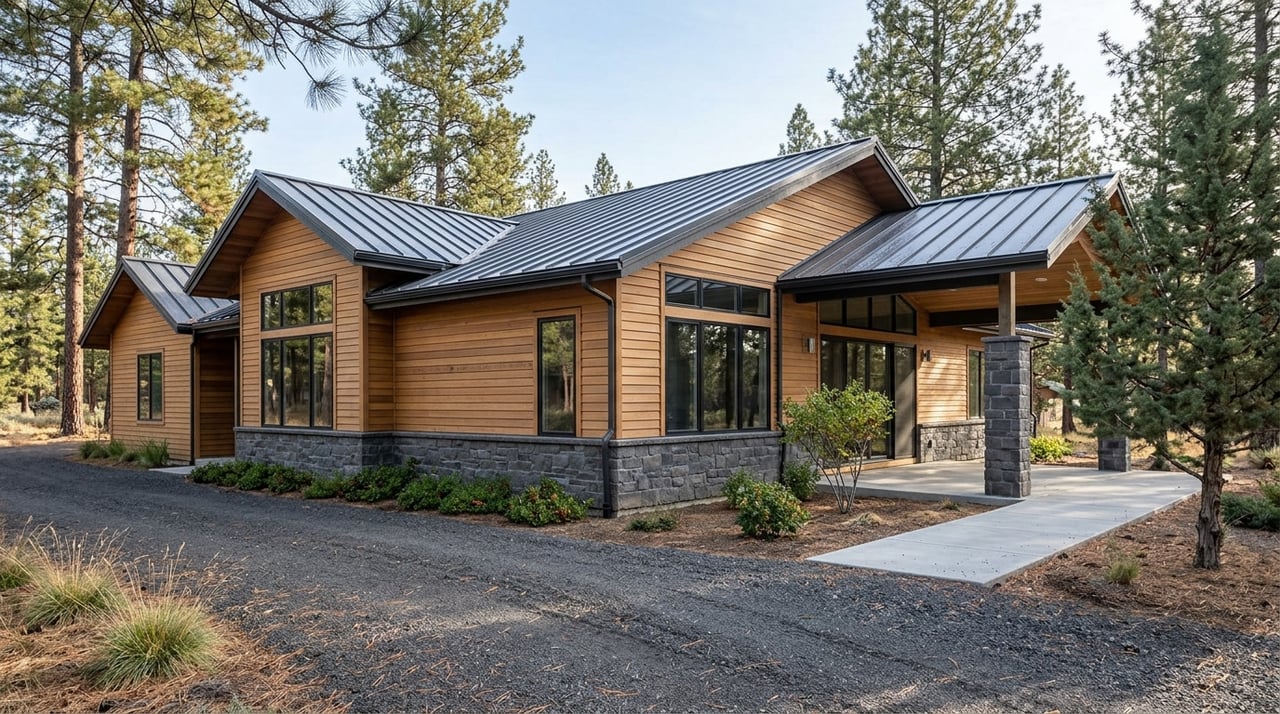
Thinking about building a new home in La Pine? It can be an exciting way to create a home that fits your lifestyle, but the process is not as simple as choosing a floor plan and breaking ground. In La Pine, your timeline, budget, and permit path can change quickly depending on whether your lot is inside city limits or on a rural parcel in unincorporated Deschutes County. This guide will help you understand what to expect before you buy land, apply for permits, and start construction. Let’s dive in.
Why La Pine building is different
La Pine has a split-market building environment. Some homes are built inside city limits, where city planning and municipal water and wastewater services shape the process. Others are built outside city limits, where county land use, septic approval, driveway permits, and water supply planning become major factors.
According to the City of La Pine Community Development department, buyers building within city limits should work with the city on planning and zoning, while Deschutes County says anyone building in La Pine city limits should contact the city planning department before applying for a building permit. That early distinction affects nearly every step that follows.
Understand your lot type first
Lots inside La Pine city limits
Inside city limits, zoning drives what can be built on a parcel. La Pine’s code includes residential zones such as RSF and RMF, and it also identifies an RMP zone that covers a large central area. The city code states these zones are intended to support residential uses at planned densities.
The La Pine zoning code shows that RSF zoning can allow detached single-family dwellings, townhomes, duplexes, and multifamily housing. That means buyers should not assume every in-town lot has the same development options.
Lots outside city limits
Outside the city, the pattern is different. In south Deschutes County, many buildable parcels fall within Rural Residential Exception Areas, and RR-10 zoning is common. The county’s south-county plan notes that the majority of private land there is designated Rural Residential Exception Area, and RR-10 land divisions are 10 acres.
For rural parcels, the land may offer more space, but it often comes with more site-specific due diligence. Septic suitability, driveway access, and water supply planning can all become major parts of the decision.
Why parcel-level due diligence matters
Two nearby lots can have very different buildability. Deschutes County says the La Pine subbasin is the primary drinking-water source for thousands of residents south of Sunriver and is vulnerable to nitrate loading from onsite wastewater systems.
In practical terms, that means soil conditions, groundwater conditions, and septic site evaluation results can make a big difference from one parcel to the next. If you are buying land to build, due diligence should happen before you finalize your purchase, not after.
What permits you may need
Start with planning review
Before you apply for the actual building permit, Deschutes County says you should confirm land-use requirements, septic approval if applicable, and driveway approval. The county’s building permit application guide also says that properties within La Pine city limits must coordinate with the city planning department first.
That is why one of the smartest early questions is simple: Is the lot inside city limits or in unincorporated county land? The answer tells you which agencies and approvals will shape your project.
Building permit application requirements
For a new one- or two-family dwelling, the county says a complete application typically includes:
- A building permit application
- A site plan
- Construction plans
- Engineering documents when needed, such as truss or structural calculations
The county also notes that review time is calculated from a complete application, not from the day you first submit paperwork. Missing documents can create serious delays, and incomplete applications may even be withdrawn.
Current permit timing
Permit timing can add up quickly. As of March 23, 2026, Deschutes County’s processing times page shows:
- 2 weeks for building application intake
- 12 weeks for planning review
- 3 weeks for building review
- 4 weeks for residential onsite or septic permit intake
- 3 weeks for onsite review
Those are estimates, not guarantees. If your parcel needs multiple approvals, or if your application is incomplete, your timeline can stretch further.
Budget for fees beyond construction
One of the biggest surprises for buyers is how many costs sit outside the home construction contract. In La Pine, permit fees, utility charges, planning costs, and site work can all meaningfully affect your budget.
La Pine’s current fee schedule lists a site suitability check or LUCS at $150, a residential zoning permit application at $250, and site plan review starting at $2,500 for smaller projects. Those are city-side review costs and do not cover the structure itself.
Deschutes County’s current fee schedule also shows a structural permit fee that is valuation-based, a structural plan check fee equal to 65% of the building permit fee, and a 1,000-square-foot-or-less residential electrical permit fee of $439.75. These line items are important when you compare building a new home to buying an existing one.
Utilities in La Pine
Utility service inside city limits
Inside city limits, La Pine provides water and wastewater service. The city’s utility services page also lists Midstate Electric for power, Cascade Natural Gas for gas, and Republic Services for garbage service.
If you open new city water and sewer accounts, the city says you should expect a $150 deposit and a $35 new-account setup fee. The city’s current fee schedule also lists a 5/8-inch water meter system development charge of $6,663, plus residential water and sewer base rates.
A key La Pine sewer difference
La Pine uses an effluent sewer system, also called a STEG system. According to the city’s design standards, each developed property must have a separate septic tank and sewer lateral connected to the main line.
That is a notable local detail. In many areas, buyers expect a standard gravity sewer setup, but in La Pine, STEG requirements can affect both design planning and cost.
Rural utility considerations
Outside city limits, utility planning often becomes more complex. The county’s onsite wastewater application packet requires applicants to identify a water supply source such as a well, community water supply, or cistern.
If you are considering rural land, the well-and-septic question should be part of your lot analysis from the beginning. It is not something you want to discover late in the process.
Septic can shape the whole project
For many rural parcels, septic approval is one of the biggest gatekeepers to buildability. Deschutes County says a site evaluation must be approved before a new onsite permit is issued.
The county’s current fee information lists a new single-family site evaluation at $1,264 plus a $117 surcharge, and a standard onsite construction installation permit at $1,794 plus the same surcharge. On some parcels, this is a routine step. On others, site conditions may require more investigation or limit your building options.
Wildfire rules may affect design
If you are building in unincorporated Deschutes County, wildfire hardening is now part of the planning conversation. Deschutes County states that wildfire hardening requirements under Oregon Residential Specialty Code R327 are mandatory for all new dwellings and accessory structures in unincorporated county areas beginning April 1, 2026.
The county says common compliant materials include double-pane windows, cementitious siding, and Class B or better asphalt shingles. These choices can influence both design and budget, so it is wise to discuss them early with your builder and design team.
What can delay your build
In La Pine, delays often happen before vertical construction even begins. The sequence of planning review, septic approval, driveway permits, utility coordination, and site work can take weeks or months depending on the parcel and the completeness of your application.
A certificate of occupancy is also not the final step unless all related permits are finaled, system development charges are paid, and a new dwelling in La Pine has final planning and infrastructure approval from the city, according to Deschutes County’s certificate of occupancy guidance. That is why realistic planning matters so much.
Questions to ask before you buy land
Before making an offer on a lot in La Pine, it helps to ask a short list of practical questions:
- Is the parcel inside La Pine city limits or in unincorporated Deschutes County?
- Are water and sewer available, or will the property need a well, septic system, STEG connection, or utility extensions?
- Does the lot already have an approved septic site evaluation, or does that still need to happen?
- What does the current permit queue look like for this type of project?
- What site work might be needed for driveway access, trenching, or utility installation?
These questions can help you understand the true cost and timeline before you commit.
Build with a clearer plan
Building in La Pine can be a smart path if you want more control over design, layout, and setting. The key is understanding that your lot, jurisdiction, utility setup, and permit path all play a major role in what the project will actually take.
When you know the right questions to ask early, you can avoid common surprises and make better decisions about land, budgeting, and timing. If you are exploring lots or comparing the cost of building versus buying in Central Oregon, The Agency Bend can help you evaluate your options with a local, informed approach.
FAQs
What should buyers know about building inside La Pine city limits?
- Buyers should expect city planning review, city water and wastewater service, and local utility account setup costs, along with zoning rules that may vary by parcel.
What should buyers know about building on rural land near La Pine?
- Buyers should expect county land-use review, septic and driveway requirements, and water supply planning that may include a well, cistern, or community water source.
What permits are usually needed for a new home build in La Pine?
- A new build often requires planning review, a building permit application, site plans, construction plans, and in some cases septic, driveway, and engineering approvals depending on the parcel.
What are common extra costs when building a new home in La Pine?
- Common added costs include planning fees, building permit fees, utility setup charges, water meter system development charges, septic evaluation and installation fees, and site work.
What can slow down a new construction timeline in La Pine?
- Incomplete applications, planning review, septic approval, utility coordination, and parcel-specific site conditions are all common causes of delay.